The real cost of Курсы игры на гитаре: hidden expenses revealed
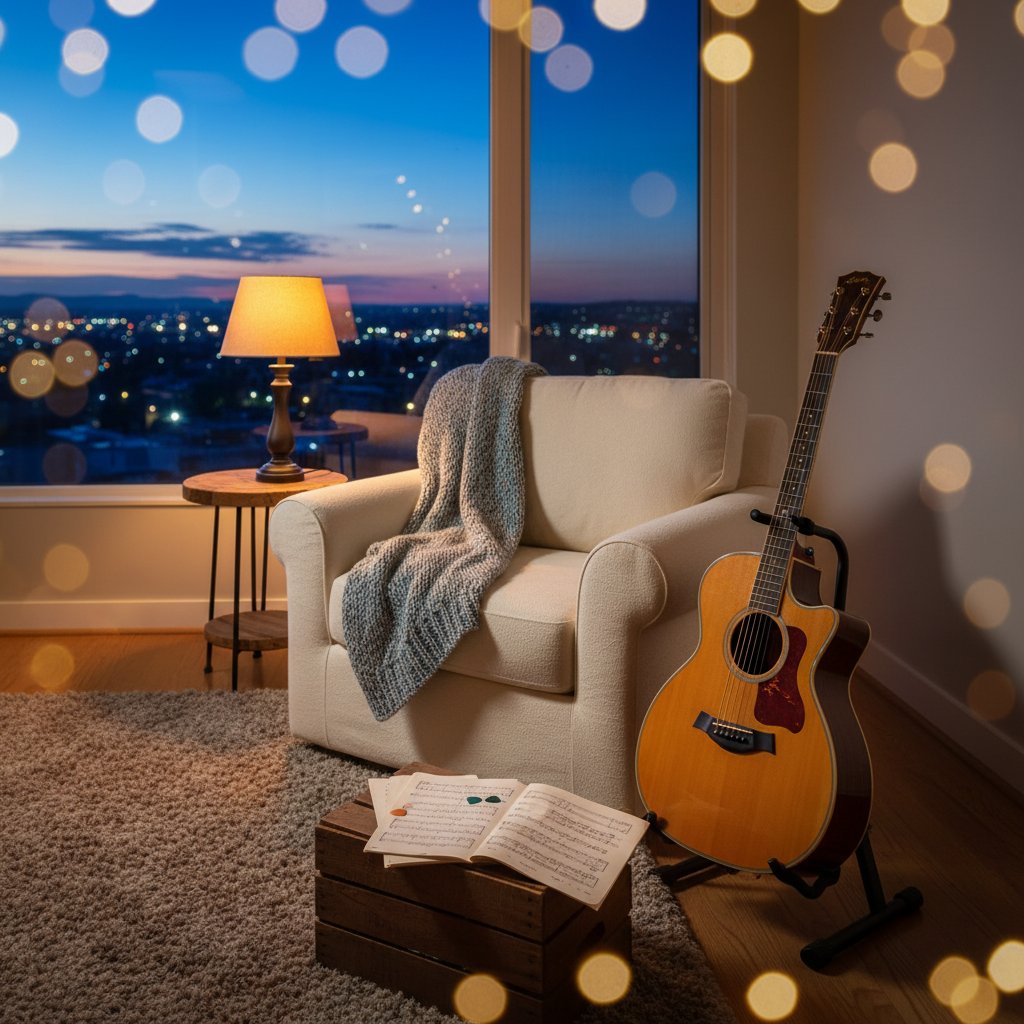
The $3,000 Guitar Journey You Didn't Budget For
Sarah walked into her first guitar lesson with $150 worth of Groupon vouchers and a $120 beginner guitar from Amazon. Six months later, she'd spent over $2,800. The lessons? That was just the appetizer.
If you're thinking about signing up for guitar courses, you've probably researched the tuition. Maybe you found private lessons at $40-80 per hour, or online courses ranging from $99 to $500. You've done your homework, right? Not quite. The sticker price of guitar instruction represents roughly 30-40% of what you'll actually spend in your first year.
The Obvious Costs (That Still Surprise People)
Let's start with what most people anticipate but underestimate. That starter guitar? It's temporary. Within 3-6 months, about 70% of students who stick with lessons upgrade their instrument. We're talking $300-800 for a decent intermediate acoustic, or $400-1,200 for an electric setup with an amplifier.
Then there's the gear avalanche. Strings break—expect to replace them every 2-3 months at $8-15 per set. You'll need picks (they vanish into another dimension), a tuner, a capo, a strap, and a case. Budget another $100-150 for these essentials.
The Book Collection Nobody Warns You About
Your instructor recommends a theory book. Then a chord encyclopedia. A songbook for your favorite artist. Technique guides. Before you know it, you've got $200 worth of materials gathering dust because you're really just watching YouTube tutorials anyway.
The Sneaky Expenses That Drain Your Wallet
Here's where it gets interesting. Guitar maintenance isn't optional—it's physics. Temperature and humidity changes wreak havoc on wooden instruments. A professional setup runs $50-100 and should happen twice yearly. Fret wear, intonation issues, and electronics problems will eventually demand attention.
Recording yourself matters more than you think. Most modern guitar education emphasizes self-review. That means a decent microphone ($80-200), an audio interface ($100-300), or at minimum, recording software subscriptions ($10-30 monthly).
The Social Tax
Nobody talks about this one. You'll want to jam with other musicians. That means gas money for meetups, maybe renting rehearsal space ($15-40 per session), and the inevitable "we should form a band" expenses. One guitarist I interviewed spent $400 on a PA system "just for practice" within eight months of starting lessons.
Online vs. In-Person: The Real Math
Online courses look cheaper on paper. A comprehensive platform like Fender Play or Guitar Tricks costs $180-240 annually versus $2,000+ for weekly in-person lessons. But here's the twist: online learners typically purchase 2-3 different course subscriptions before finding one that clicks, adding $300-500 to their actual costs.
In-person students face transportation expenses. If you're driving 20 minutes each way for weekly lessons, that's roughly $15-25 monthly in gas, or $180-300 yearly. City dwellers using public transit might spend $50-80 monthly.
The Opportunity Cost
Time is money, and guitar practice demands 30-60 minutes daily for real progress. That's 180-360 hours annually you could spend earning money, learning other skills, or binge-watching that show everyone's talking about. For someone earning $25/hour, we're discussing $4,500-9,000 in opportunity cost.
What Experienced Players Wish They'd Known
"I spent $600 on effects pedals in my first year because every lesson made me want to sound like a different guitarist," admits Marcus, who's been playing for five years. "I use two of them now. The rest collect dust."
The effects pedal rabbit hole is real. Each pedal costs $50-300, and suddenly you're chasing tones instead of mastering fundamentals. Guitar forum data suggests new players spend an average of $400 on gear they'll abandon within 18 months.
Another hidden expense? Failed attempts. About 45% of people who start guitar lessons quit within the first year, according to music education research. That's hundreds or thousands of dollars in sunk costs—lessons paid for but not used, instruments that become wall decorations.
The Smart Money Approach
Buy used instruments and sell them when you upgrade. You'll lose 20-30% instead of 50%. Rent before you buy expensive equipment. Many music stores offer rent-to-own programs where payments apply toward purchase.
Share resources with other students. Split the cost of method books, trade gear, carpool to lessons. One practice group I know rotates hosting duties and shares a collective equipment pool worth $2,000, costing each member just $400.
Key Takeaways
- First-year realistic budget: $1,800-3,500 including lessons, gear, and maintenance
- Biggest hidden cost: Instrument upgrades and gear experimentation ($800-1,500)
- Money-saving move: Buy quality used equipment and join student communities for shared resources
- The 18-month rule: Don't invest heavily in specialized gear until you've stuck with it for at least 18 months
- Budget buffer: Add 40% to whatever you think lessons will cost for the complete picture
Learning guitar costs more than the lesson fee. But knowing the real numbers means you can plan, prioritize, and avoid the expensive mistakes that trip up most beginners. That $150 Groupon might get you started, but pack an extra $2,000 for the actual journey.